
Pierides Museum: Cyprus' Hidden Archaeological Gem
June 07, 2025

I spent about two hours exploring every corner of this compact museum, completely fascinated by the 5500 BC ceramic 'howling man' artifact and its mysterious design. The museum's location in central Larnaca makes it easy to visit, and the English explanations helped me understand Cyprus's rich historical layers.
Tucked inside a 19th-century family mansion, the Pierides Museum holds a bizarre ceramic figure that defies archaeological explanation - a 5500 BC 'howling man' that drains water through unexpected anatomical details. Discover how one family's passion saved Cyprus's most precious artifacts from tomb raiders.
Need-to-Know Info Before Visiting Pierides Museum
5+
images
Pierides Museum Address
Zinonos Kitieos 5, 6023 Larnaca, Cyprus
Pierides Museum Opening Hours
- 🕒 Monday - Thursday: 9:00 - 16:00
- 🕒 Friday - Saturday: 9:00 - 13:00
- 🕒 Sunday: Closed
How to get to Pierides Museum
- 🚗 By car: Easily accessible in Larnaca city center
- 🚌 Public transport: Local city buses stop nearby
- 🚕 Rideshare: Uber and local taxi services available
What is Pierides Museum known for?
- Home to a comprehensive archaeological collection spanning 9,000 years of Cypriot history
- Features the rare Neolithic ceramic 'howling man' artifact from 5500 BC
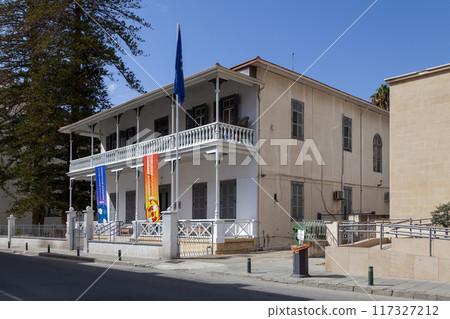
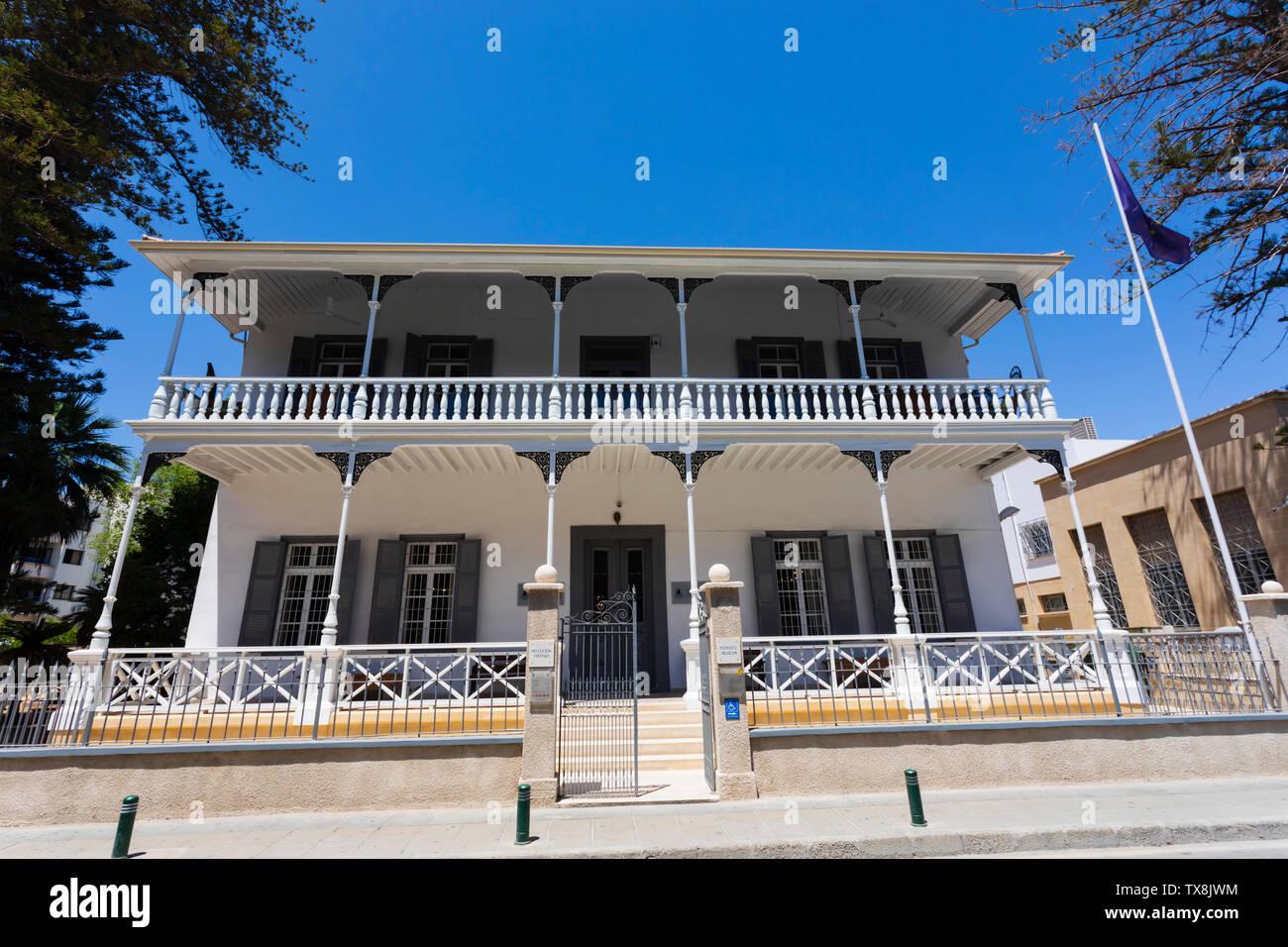
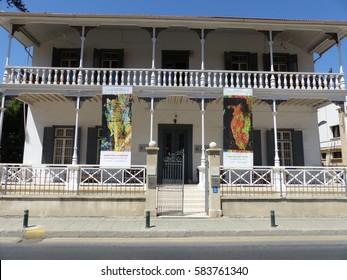
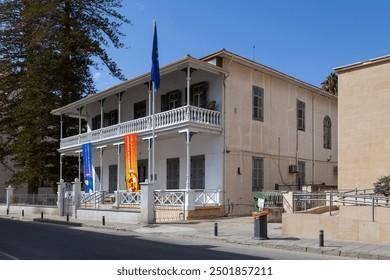
- Housed in a historic 1825 colonial-style family mansion
- Showcases artifacts from Mycenaean, Roman, Byzantine, and Ottoman periods
- Includes significant collections of Greek and Roman glassware
What is Pierides Museum in Larnaca?
Tucked away in Larnaca's bustling commercial center, the Pierides Museum stands as a compact yet powerful window into Cyprus's rich archaeological history. Founded in 1839 by Demetrios Pierides, this small family mansion transformed into a cultural treasure trove that stops tomb raiders in their tracks by preserving local artifacts. Tourists looking to understand Cyprus beyond beach resorts will find a gold mine of history within its walls. The museum packs 9,000 years of island history into several rooms, with exhibits chronologically arranged from Neolithic times through Byzantine periods. Its star attraction? The bizarre ceramic 'howling man' from 5500 BC - a mysterious artifact where water poured into the figure's mouth mysteriously drains through its phallus. International archaeology buffs and curious travelers frequently rank this museum as a top spot for understanding Cypriot cultural evolution, making it a strategic stop for history enthusiasts who want more than typical tourist experiences. Despite its modest size, the museum offers detailed English explanations and an impressive collection of Greek and Roman glassware, traditional costumes, and intricate woodcarvings that tell Cyprus's complex cultural story.
Top things to do at Pierides Museum
- Examine the mysterious Neolithic 'howling man' ceramic artifact, a unique 5500 BC piece where water mysteriously drains through the figure's phallus
- Explore the detailed cartography collection featuring rare maps and charts of Cyprus and the Eastern Mediterranean
- Study the extensive Greek and Roman glassware collection, showcasing delicate ancient glass-making techniques
- View traditional Cypriot folk art exhibits, including intricate woodcarvings, embroidery, and historical costumes
- Follow the chronological exhibits tracking Cyprus's history from Neolithic times through Byzantine and Ottoman periods
- Take a guided tour of the 1825 colonial-style Pierides family mansion, learning about the museum's founding and artifact preservation history
🎟️ Tickets and Entrance Fees
The Pierides Museum charges separate ticket rates for different visitor categories. Adults pay 300 EUR, while children and students can enter for 100 EUR. Groups of 10 or more people receive a discounted rate of 200 EUR per person. Tickets can be purchased directly at the museum's entrance. No online booking system was mentioned in available sources, so visitors should plan to buy tickets on-site.
Cultural Significance
The Pierides Museum represents more than just an archaeological collection - it's a critical preservation project protecting Cyprus's cultural heritage. Established to counter illegal artifact trading, the museum serves as a guardian of the island's historical narrative. By collecting and displaying artifacts from various historical periods, the museum helps Cypriots and international visitors understand the complex cultural layers that have shaped the island over millennia.
History of Pierides Museum
- 1825: Original Pierides family mansion is constructed
- 1839: Demetrios Pierides establishes the museum to protect local artifacts from tomb raiders
- 19th Century: Museum collection systematically enriched by Pierides family
- Late 19th/Early 20th Century: Collection expands to include archaeological artifacts from multiple historical periods
- Present Day: Recognized as one of Cyprus's most important private archaeological collections
❗ Tips for Visitors
- Allocate at least 1-2 hours to explore the entire museum
- Bring a camera - photography is likely permitted (but confirm on-site)
- English explanations are available for most exhibits
- The museum is small, so expect an intimate, focused experience
- Wear comfortable walking shoes
- Check current opening hours before visiting, as they can change seasonally
What are some interesting facts about Pierides Museum?
- The museum's mysterious 'howling man' ceramic is so unique that no similar artifact has ever been found on Cyprus, with archaeologists still debating its purpose
- Demetrios Pierides started the museum specifically to prevent local tomb raiders from selling precious artifacts, essentially creating a preservation sanctuary
- The museum is housed in the original 1825 Pierides family mansion, making the building itself a historical artifact alongside its archaeological collection