
Panagia Chrisopolitissa: A Historic Byzantine Church in Larnaca
August 01, 2025

I spent about an hour exploring the church, fascinated by the intricate Byzantine frescoes and the peaceful atmosphere inside. The church is easily accessible from Larnaca's city center, with Saint Lazarus Church just a short walk away, making it a convenient stop for anyone interested in local religious history.
Hidden within Larnaca's streets, Panagia Chrisopolitissa Church holds centuries of untold stories behind its unassuming stone walls. Discover the secret world of Byzantine art and religious resilience that has survived multiple historical transformations.
Need-to-Know Info Before Visiting Panagia Chrisopolitissa
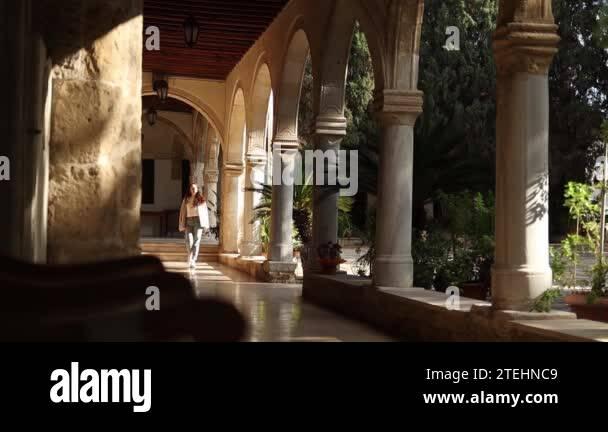
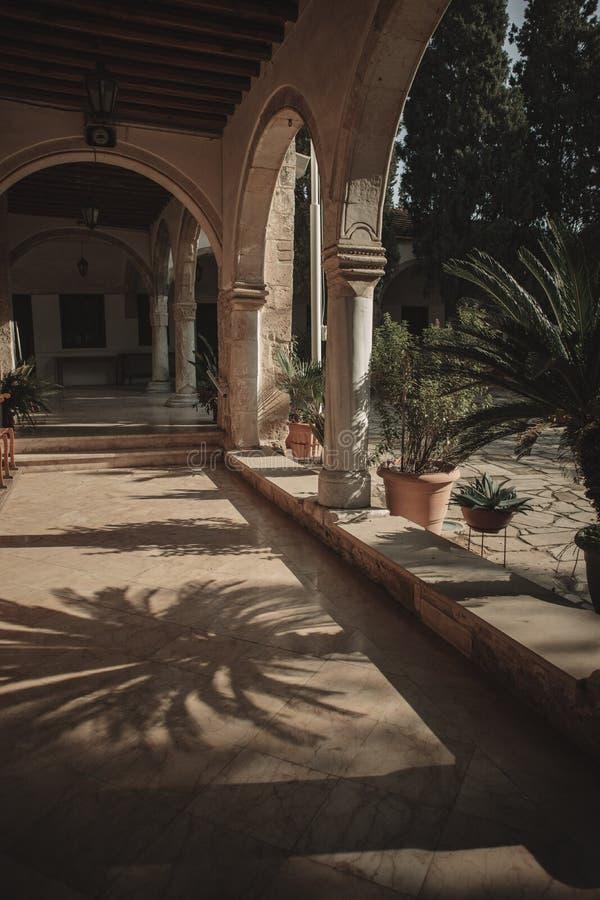
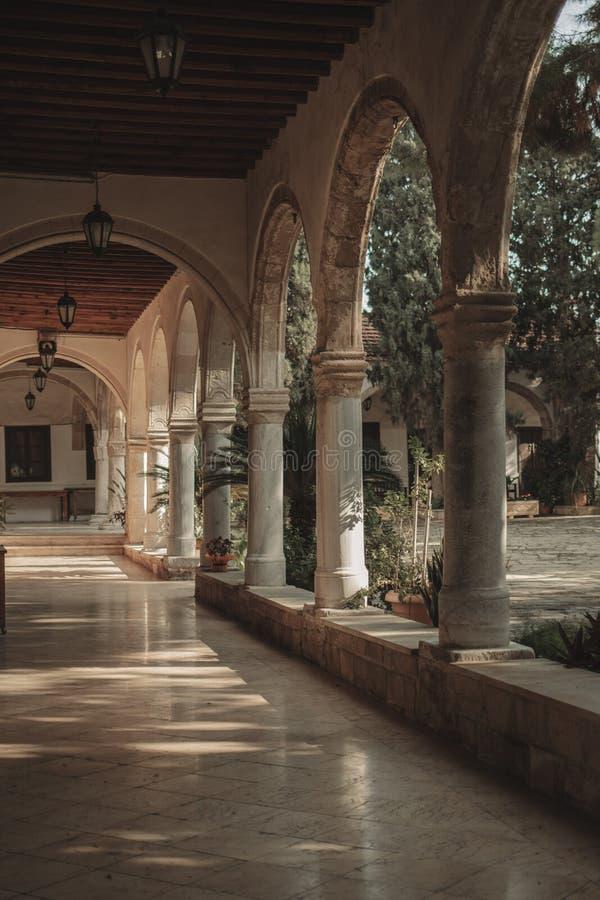
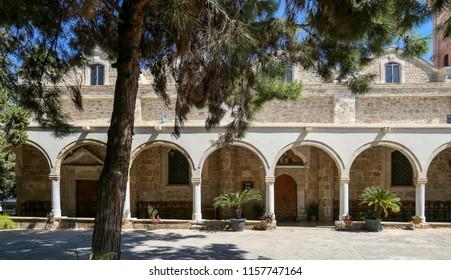
5+
images
Panagia Chrisopolitissa Address
Dekeleias Street, Larnaca, Cyprus
Panagia Chrisopolitissa Opening Hours
- 🕒 Summer (May-September): 8 AM - 1 PM, 4 PM - 7 PM
- 🕒 Winter (October-April): 8 AM - 12 PM, 3 PM - 6 PM
- 🕒 Closed on major religious holidays
How to get to Panagia Chrisopolitissa
- 🚗 By car: Free parking available near the church
- 🚌 Public transport: Bus routes 1 and 2 stop nearby
- 🚕 Rideshare: Taxis and local transport readily available
What is Panagia Chrisopolitissa known for?
- One of the oldest Byzantine churches in Larnaca, dating back to the 12th century
- Contains rare Byzantine frescoes and intricate religious artwork
- Architectural example of traditional Cypriot church design with stone walls and wooden roof
- Located in a historic neighborhood with significant cultural importance
What is Panagia Chrisopolitissa in Larnaca?
Tucked away in the heart of Larnaca, Panagia Chrisopolitissa Church stands as a quiet testament to Cyprus's rich Byzantine heritage. Thousands of tourists walk past this unassuming stone church each year, but few realize its deep historical roots stretching back to the 12th century. The church attracts history buffs, architecture enthusiasts, and religious travelers who want to experience an authentic slice of Cypriot religious culture. Its modest exterior belies the intricate Byzantine frescoes and wooden iconostasis inside, which tell stories of religious art and local craftsmanship. Unlike massive tourist attractions, this church offers a more intimate glimpse into Cyprus's cultural landscape. Photographers love capturing its stone walls and traditional architectural details, making it a hidden gem for those who venture beyond typical tourist paths. During summer months, the church becomes a peaceful refuge from Larnaca's heat, with its cool stone interior and soft natural light filtering through small windows. Local worshippers and tourists mix quietly, creating a unique atmosphere of contemporary life meeting centuries-old tradition.
Top things to do at Panagia Chrisopolitissa
- Examine the rare Byzantine frescoes depicting religious scenes from the 12th century, focusing on the intricate details of saints and biblical narratives
- Study the wooden iconostasis, a traditional feature of Orthodox churches, with its carefully carved religious icons and ornate design
- Observe the unique stone masonry of the church's exterior, characteristic of traditional Cypriot church architecture from medieval periods
- Listen to the church's bell sounds during hourly services, experiencing local religious tradition and acoustic atmosphere
- Photograph the church's architectural details, especially the stone walls and wooden roof structure that represent historical Cypriot building techniques
- Visit during a local religious service to understand contemporary worship practices in a historic Byzantine church setting
History of Panagia Chrisopolitissa
- 12th Century: Original church constructed during Byzantine period in Larnaca
- 15th Century: Church undergoes significant renovations during Venetian rule of Cyprus
- 1571: Ottoman conquest of Cyprus impacts church's architectural and cultural development
- 19th Century: Major restoration work preserves original Byzantine architectural elements
- 1974: Cyprus division leads to changes in religious site management and preservation efforts
Cultural Significance
Panagia Chrisopolitissa represents a critical spiritual center for Orthodox Christians in Larnaca. The church symbolizes centuries of religious continuity, surviving multiple historical transitions from Byzantine to Ottoman rule. Its architecture and interior artwork reflect the resilience of Cypriot religious traditions, serving not just as a place of worship but as a living historical document showcasing local cultural identity.
Tips for Visitors
- Wear modest clothing that covers shoulders and knees
- Photography is permitted but avoid using flash inside the church
- Bring cash for optional donation or candle lighting
- Respectful silence is expected during services
- Guided tours are available in multiple languages - check schedule in advance
- Best visited in morning hours for softer lighting and fewer crowds
What are some interesting facts about Panagia Chrisopolitissa?
- Local legend claims the church's original wooden iconostasis was carved by a single craftsman over 15 consecutive years without leaving his workshop
- During Ottoman rule, this church was one of the few Christian sites allowed to maintain religious services with strict limitations
- The church contains a hidden stone marker commemorating a local priest who secretly preserved religious artifacts during periods of cultural suppression